Engineering Reference
The quality of the water fed to a steam humidifier is an engineering input that directly affects maintenance frequency, the service life of the tank and heating elements, and the cleanliness of the steam. No single parameter tells the whole story. pH, hardness, TDS, conductivity, alkalinity, chloride and silica evaluated together describe the feedwater profile. This guide defines the seven parameters, gives the unit conversions between them, and explains why they affect electrode and resistive steam humidifiers differently.
Why Water Quality Is Critical
In a steam humidifier, water is not a passive raw material. In an electrode unit, the water is the conductive medium through which the electric current flows, so its conductivity decides whether the unit can run at all. In a resistive unit, current does not pass through the water; the water simply boils on the heat of the heating elements. Here water quality does not decide whether the unit runs, but it does govern scaling, corrosion tendency and maintenance frequency. That is why the water should be measured rather than assuming that "mains water will be fine".
The basic rule of evaporation does not change: when water evaporates, only H₂O enters the airstream; dissolved salts and minerals stay in the tank. For example, every litre of 14 °fH water carries 140 mg of hardness as CaCO₃. A 50 kg/h humidifier running at full load for 24 hours evaporates about 1,200 L of water, so about 168 g of hardness (as CaCO₃) enters the tank. In continuous operation this adds up to roughly 60 kg a year. Part of it stays on the tank surfaces as scale and part of it leaves with the drain. Other dissolved salts (sodium, chloride, sulphate) also concentrate in the tank.
The accumulated minerals are managed in two ways: they either remain on the tank surfaces and are removed during planned maintenance, or they leave the unit when concentrated tank water is discharged through drain cycles. Draining limits the salt concentration in the tank at the cost of some water and heat. Which route dominates depends on the water composition and the unit's drain settings.
What Is pH and What It Affects
pH is the measure of how acidic or basic water is, expressed on a logarithmic scale from 0 to 14: at 25 °C, pH 7 is neutral; below 7 is acidic and above 7 is basic. Because the scale is logarithmic, one unit corresponds to a tenfold change in hydrogen-ion concentration. The Turkish drinking-water regulation (İnsani Tüketim Amaçlı Sular Hakkında Yönetmelik) and EU Directive 2020/2184 give pH 6.5–9.5 as the indicator range for drinking water, and mains water usually falls within it.
pH Impact in a Steam Humidifier
- Low pH (acidic water): The corrosion tendency of the stainless-steel tank and heating elements increases. If chloride is also high, the risk of pitting corrosion grows.
- Near-neutral pH: Corrosion and scaling tendencies are balanced; most mains water sits here.
- High pH (basic water): Calcium carbonate is more likely to precipitate, so scale builds up faster in the tank.
Because carbon dioxide is driven off in boiling water, the pH of the tank water rises above that of the feedwater. The scaling tendency in the tank is therefore higher than the cold feedwater analysis suggests.
pH's Relationship with Other Parameters
pH is closely linked to alkalinity. The Langelier Saturation Index (LSI) is calculated from pH, calcium hardness, alkalinity, TDS and temperature. A positive LSI means the water tends to deposit scale; a negative LSI means it tends to dissolve scale and corrode. LSI depends on temperature: a hard water that looks balanced when cold becomes clearly scale-forming at boiling temperature. LSI is therefore used to understand the tendency of the feedwater, not the condition inside the steam tank.
What Is Water Hardness?
Water hardness is the sum of calcium (Ca²⁺) and magnesium (Mg²⁺) ions in the water and is usually reported as CaCO₃ equivalent. In Türkiye the most common unit is the French degree (°fH, also written "Fr°" or "FS"). Laboratory reports also often use the German degree (°dH) and "ppm CaCO₃". The conversions are:
| Class (approx.) | °fH | °dH | mg/L CaCO₃ | Meaning for a steam humidifier |
|---|---|---|---|---|
| Very soft | 0–4 | 0–2.2 | 0–40 | Softener outlet or RO/DI water. Softened water keeps its conductivity; RO/DI water's conductivity is too low for an electrode unit. A resistive unit runs on both. |
| Soft | 4–8 | 2.2–4.5 | 40–80 | Low scale build-up. |
| Medium hard | 8–14 | 4.5–7.8 | 80–140 | A band often seen in mains water; maintenance intervals are planned around operating hours. |
| Hard | 14–25 | 7.8–14 | 140–250 | Noticeable scale build-up; more frequent maintenance is needed. |
| Very hard | > 25 | > 14 | > 250 | Softening or RO pre-treatment is evaluated; the manufacturer's feedwater requirements are checked. |
Class boundaries differ between sources; the table is only a guide. The real comparison is made against the feedwater requirements in the manual of the selected unit.
Hardness Effect on the Device
When calcium bicarbonate is heated, it loses carbon dioxide and turns into calcium carbonate (CaCO₃). Because the solubility of calcium carbonate falls as temperature rises, it precipitates as scale in the boiling tank. This is "temporary hardness". "Permanent hardness" compounds such as calcium sulphate also exceed their solubility limit as they concentrate in the tank and form deposits. For the same amount of steam, the mineral load entering the tank is proportional to hardness: 28 °fH water brings about twice the hardness load of 14 °fH water. The maintenance interval, however, also depends on operating hours, capacity and drain settings.
Does a Softener Solve Hardness?
Partially. A sodium-resin ion-exchange softener swaps Ca²⁺ and Mg²⁺ for Na⁺. Hardness drops sharply and scale build-up is reduced, but the total dissolved salts and the conductivity do not change significantly. Sodium salts are highly soluble, so they do not form scale; they concentrate in the tank and leave with the drain. Because concentrated sodium salts can cause foaming, drain and foam control become important. Removing most of the dissolved salts requires RO or DI pre-treatment. These waters are suitable for a resistive unit, but their very low conductivity makes them unusable in an electrode unit.
What Is TDS?
TDS (Total Dissolved Solids) is the total mass of all salts, minerals and organic matter dissolved in the water (mg/L ≈ ppm). In the laboratory it is determined by evaporating a filtered sample and weighing the dry residue; in the field it is estimated from conductivity. The conversion factor depends on the water composition and is usually between 0.5 and 0.7 for natural waters:
For example, water with a conductivity of 500 μS/cm has a TDS of roughly 250–350 mg/L; with a factor of 0.65 the result is about 325 mg/L. The factor is an estimate; an exact value requires a laboratory measurement.
Reference Values for TDS
- RO/DI water: TDS is typically a few to a few tens of mg/L. Suitable for a resistive unit; its conductivity is too low for an electrode unit to run.
- Mains water: Varies over a wide range depending on the source. Turkish regulations set no separate limit for TDS; the drinking-water regulation gives an indicator value of 2,500 μS/cm (20 °C) for conductivity.
- WHO: Sets no health-based guideline value for TDS; it considers water below about 600 mg/L generally good in taste and water above 1,000 mg/L increasingly unpalatable.
- High TDS: More salt concentrates in the tank, more frequent draining is needed and the maintenance interval shortens. RO pre-treatment is evaluated against the manufacturer's feedwater requirements and the steam-cleanliness expectations of the application.
Consequences of High TDS
Two effects stand out with high-TDS water: (1) Higher tank load: the mass of dissolved solids entering the tank is directly related to the deposits that build up and the amount of draining required. (2) Higher risk of droplet carry-over: steam produced by boiling does not itself carry minerals, but if foam forms in the tank or the water level rises too high, mineral-laden water droplets can be carried along with the steam. This risk grows as the salt concentration in the tank increases and is limited by good drain and foam control.
What Is Electrical Conductivity?
Electrical conductivity is the ability of water to carry an electric current, expressed in μS/cm. The more dissolved ions, the higher the conductivity. Because conductivity changes by about 2% per degree, measurements are reported corrected to 25 °C (20 °C in the Turkish regulation). Pure water has a conductivity of about 0.055 μS/cm at 25 °C. RO water is typically a few to a few tens of μS/cm, because the membrane rejects most of the dissolved salts; mains waters generally range from a few hundred μS/cm to above a thousand μS/cm.
Conductivity and the Electrode Humidifier
In an electrode humidifier the electric current passes through the water between the electrodes and heats it that way. Conductivity is therefore a precondition for the unit to reach its capacity. The suitable band varies by product and manufacturer; Neptronic's report comparing electrode and resistive humidifiers gives it as approximately 125–1,250 μS/cm.
- Below the band (including RO/DI water): The water cannot carry enough current; the unit cannot reach its capacity or produces no steam at all.
- Above the band: Current flows too easily; frequent draining, foaming and rapid build-up on the electrodes follow.
In a resistive humidifier, conductivity is not an operating requirement. Current flows through the heating elements, not through the water; the water only receives the heat. A resistive unit therefore produces steam with any type of water, RO and DI included. Conductivity matters here only as an indirect indicator: the more dissolved salts, the more deposits build up in the tank and the more draining is required.
Alkalinity, Chloride and Silica
Alkalinity
Alkalinity is the water's capacity to neutralise acid (its buffering capacity). It comes from bicarbonate (HCO₃⁻), carbonate (CO₃²⁻) and hydroxide (OH⁻) ions and is reported as mg/L CaCO₃. In mains water, most of the alkalinity is bicarbonate. Because bicarbonate turns into carbonate during boiling, high alkalinity accelerates scale formation when calcium is present and can increase the foaming tendency of the concentrated tank water.
Chloride
Chloride (Cl⁻) is an ion that can locally break down the protective oxide layer on stainless steel. It therefore creates a risk of pitting corrosion in the tank and on the heating elements, and of stress-corrosion cracking under high temperature and stress. The risk increases with chloride concentration, pH and temperature. Because chloride does not leave with the steam, it reaches a higher concentration in the boiling tank than in the feedwater; drain cycles limit this build-up.
The Turkish drinking-water regulation and EU Directive 2020/2184 give an indicator value of 250 mg/L for chloride. WHO sets no health-based value; it notes that chloride above 200–300 mg/L can give water a taste. The permissible chloride level for a humidifier should be checked in the manufacturer's feedwater requirements.
Silica
Silica (dissolved SiO₂, mg/L) enters water as minerals in rock and soil dissolve. As it concentrates in a steam tank it can form a hard, glassy deposit on surfaces. This deposit is hard to dissolve with common descaling acids and often requires mechanical cleaning. RO membranes reject most of the dissolved silica. Where silica is high, the pre-treatment decision is made against the manufacturer's feedwater requirements.
Figure 1: Seven Core Water Parameters for Steam Humidification
Water Quality in Electrode Humidifiers
In an electrode unit, the water is part of the electrical circuit, so water quality directly affects operation. The water's conductivity is a precondition for steam production. Hardness and dissolved salts build up in the cylinder where the steam is produced and coat the electrodes; the cylinder is replaced at intervals because of this build-up.
Practical consequences:
- Low conductivity (RO/DI water): The water cannot carry enough current; the unit cannot reach its capacity or does not run.
- High hardness: Build-up in the cylinder accelerates and the cylinder replacement interval shortens.
- High conductivity and TDS: More frequent draining is needed; the foaming tendency increases.
- Seasonal changes in conductivity: Current, and therefore steam output, changes with water quality; the unit's control tries to compensate through drain and water-level settings.
Water Quality in Resistive Humidifiers
In a resistive unit the water is not part of the electrical circuit. Electric current flows through the heating elements inside the stainless-steel steam tank, and the water boils simply by taking up their heat. This structural difference groups the effect of water quality under two headings:
- Operation of the unit: Independent of the water's conductivity. The unit produces steam with any type of water, RO and DI included.
- Maintenance frequency: Depends on water quality. Hardness and TDS set the amount of deposit in the tank and the cleaning interval; chloride and pH set the corrosion tendency; the drain setting sets the salt concentration in the tank.
Practical consequences:
- RO/DI water: With most dissolved salts removed, very little deposit builds up in the tank, draining is reduced and the maintenance interval is extended. This is why it is often preferred in hygienic applications.
- Softened water: Scale build-up is reduced, but dissolved sodium salts concentrate in the tank and must be drained. Foam control becomes important.
- Mains water: The unit operates normally; the tank-cleaning interval is planned according to hardness, operating hours and capacity.
- Hard or high-TDS water: The unit still runs, but tank cleaning becomes more frequent. Softening or RO pre-treatment is then evaluated to reduce the maintenance load.
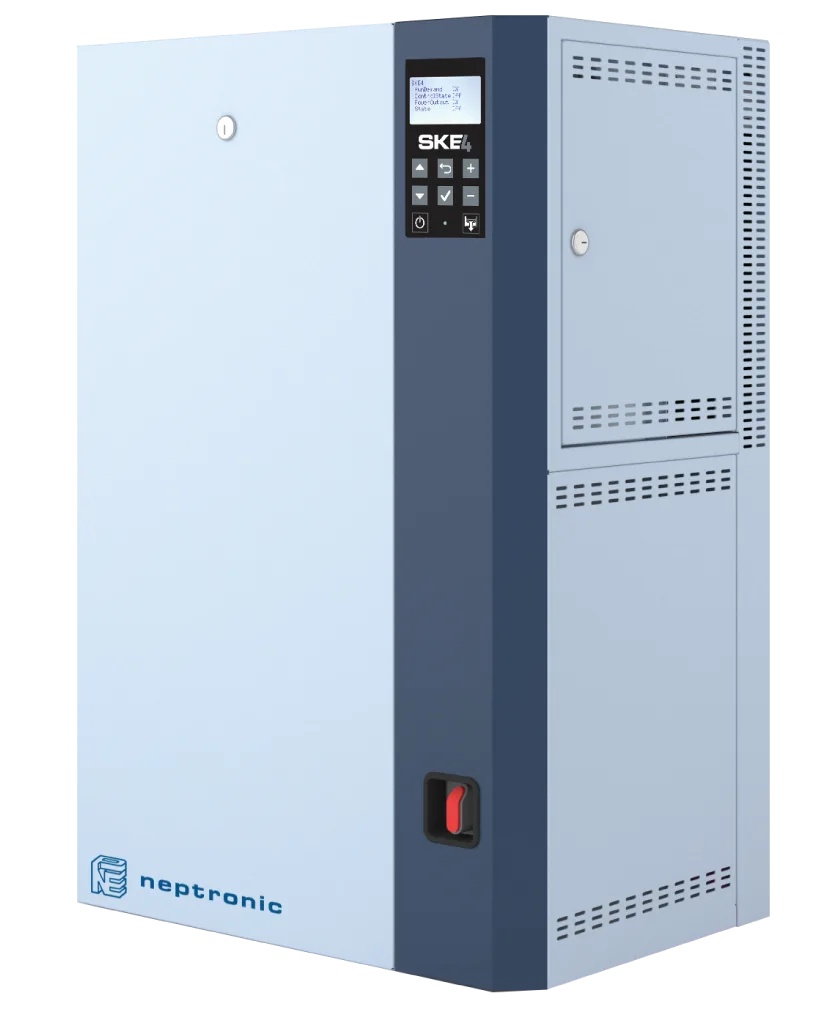
Figure 2: Effect of Water Quality on Electrode and Resistive Units
How to Read a Water Analysis
A water-analysis report from an accredited laboratory contains many parameters. For steam humidifier selection, the seven core parameters and a few complementary ones can be read in the following order. At each step the values are compared with the feedwater requirements in the manual of the unit to be selected.
Step One: Unit Type
- Conductivity (μS/cm): This value is an operating requirement only for an electrode unit. If the water is outside the manufacturer's band (≈ 125–1,250 μS/cm according to the Neptronic report), or if RO/DI water will be used on site, an electrode unit is not suitable. For a resistive unit, conductivity is not an operating requirement.
- Water to be used: Whether mains, softened or RO/DI water will be used determines both the unit type and the maintenance plan.
Step Two: Need for Pre-Treatment
- Hardness (°fH or mg/L CaCO₃): Sets the amount of scale in the tank and the cleaning interval. If it is high, softening or RO is evaluated.
- TDS and alkalinity: Affect the amount of draining required and the foaming tendency.
- Silica (mg/L SiO₂): High silica forms a glassy deposit that is hard to clean; most of it can be removed by RO.
Step Three: Corrosion Tendency
- pH: Low pH increases the corrosion tendency, high pH the scaling tendency. The regulatory range for drinking water is 6.5–9.5.
- Chloride (mg/L): Determines the risk of pitting corrosion in stainless steel. The value is compared with the manufacturer's requirement; build-up in the tank is limited by draining.
Complementary Parameters
- Sulphate (SO₄²⁻): Can form calcium sulphate (gypsum) deposits when it concentrates together with calcium. The regulatory indicator value is 250 mg/L.
- Iron (Fe) and manganese (Mn): Common in well water; cause coloured deposits and build-up. The regulatory indicator values are 200 μg/L for iron and 50 μg/L for manganese.
- Microbiological parameters: Because the water is boiled in a steam humidifier, the steam is microbiologically safe; in hygienic facilities, however, the water line, storage tanks and pre-treatment equipment are assessed separately.
Selecting the Unit from the Water Analysis
As Neptronic's authorised distributor in Türkiye, Nem Kontrol Teknolojileri provides equipment supply, unit-selection support and technical service and spare parts. When selecting a steam humidifier, we ask the customer for a recent analysis of the feedwater. We recommend having the analysis done by an accredited laboratory and covering pH, hardness, conductivity, TDS, alkalinity, chloride and silica. The values are reviewed against Neptronic's feedwater requirements, and the suitable unit is identified together with any need for softening or RO pre-treatment. The design and installation of the pre-treatment system are carried out by specialist water-treatment companies.
Where water quality is uncertain or varies with the season, or where RO/DI water is available on site, the resistive Neptronic SKE4 stands out because its operation does not depend on water conductivity. With this type, water quality only affects maintenance frequency. If boiler steam is available on site, the steam-to-steam SKS4 can be considered. For adiabatic systems such as high-pressure atomisation (SKH), RO or DI water is recommended to keep the nozzles free of scale.
Water quality in a steam humidifier cannot be read from a single parameter. The feedwater profile emerges when pH, hardness, TDS, conductivity, alkalinity, chloride and silica are evaluated together. That profile determines the unit type, the need for pre-treatment and the maintenance plan.
In an electrode unit the water is part of the electrical circuit, so conductivity is an operating requirement and RO/DI water cannot be used. In a resistive unit the current flows through the heating elements; the unit runs on any water, RO and DI included, and water quality only affects maintenance frequency. That is why a resistive humidifier (Neptronic SKE4) is a safe choice for sites with uncertain or variable water quality and for hygienic applications that use RO/DI water.