
ACADEMY SERIES · EPISODE 2Health & Indoor Climate
Relative Humidity and Health
We usually judge indoor comfort by temperature alone, yet relative humidity shapes our health, productivity and the life of the building just as much. This episode uses the Sterling chart to cover the effects of low and high humidity, the ideal range and how humidity is controlled in both directions.
Published: 3 October 2026Narration: Turkish and English4:58
In this video
- Relative humidity depends on temperature: in a space heated in winter it falls quickly even though the amount of water in the air stays the same.
- According to the Sterling chart, most risks reach their lowest point between 40% and 60%.
- Below 30%, airways, skin and eyes dry out, static electricity threatens sensitive electronics and wood shrinks.
- Above 60%, mould, fungi, bacteria and dust mites multiply, and building materials, energy use and product quality suffer.
- For most living and working spaces 40–50% RH is considered ideal; the balance is kept in both directions with dehumidification and humidification.
More from this series

More videos

Products & Technology
Neptronic × NKT: Turkey Distribution Agreement
Humidification · Neptronic · 1 October 2026
Service & Maintenance
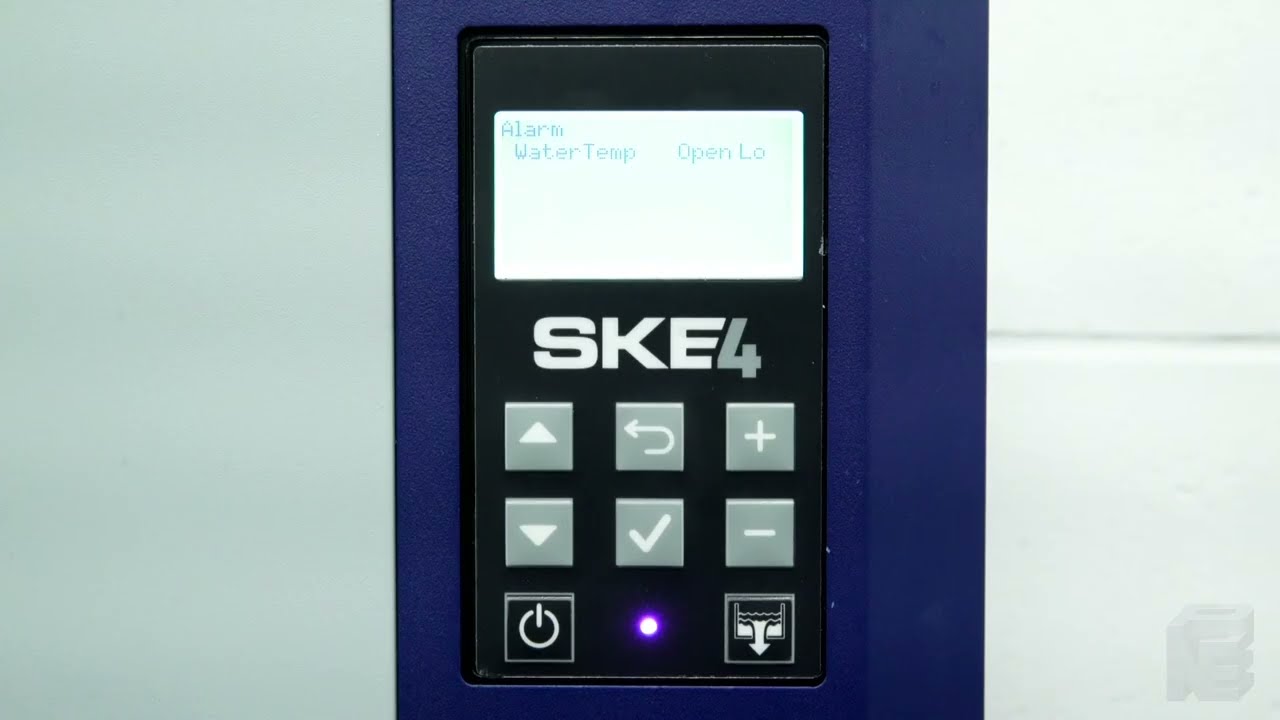
Neptronic SKE4 — Water Temperature Sensor Alarm
Alarms & Troubleshooting · 27 August 2026

Applications & Field
Swiss Arena — HVAC Duct Details
Field Note · Ice Arena · 27 April 2025