Definition
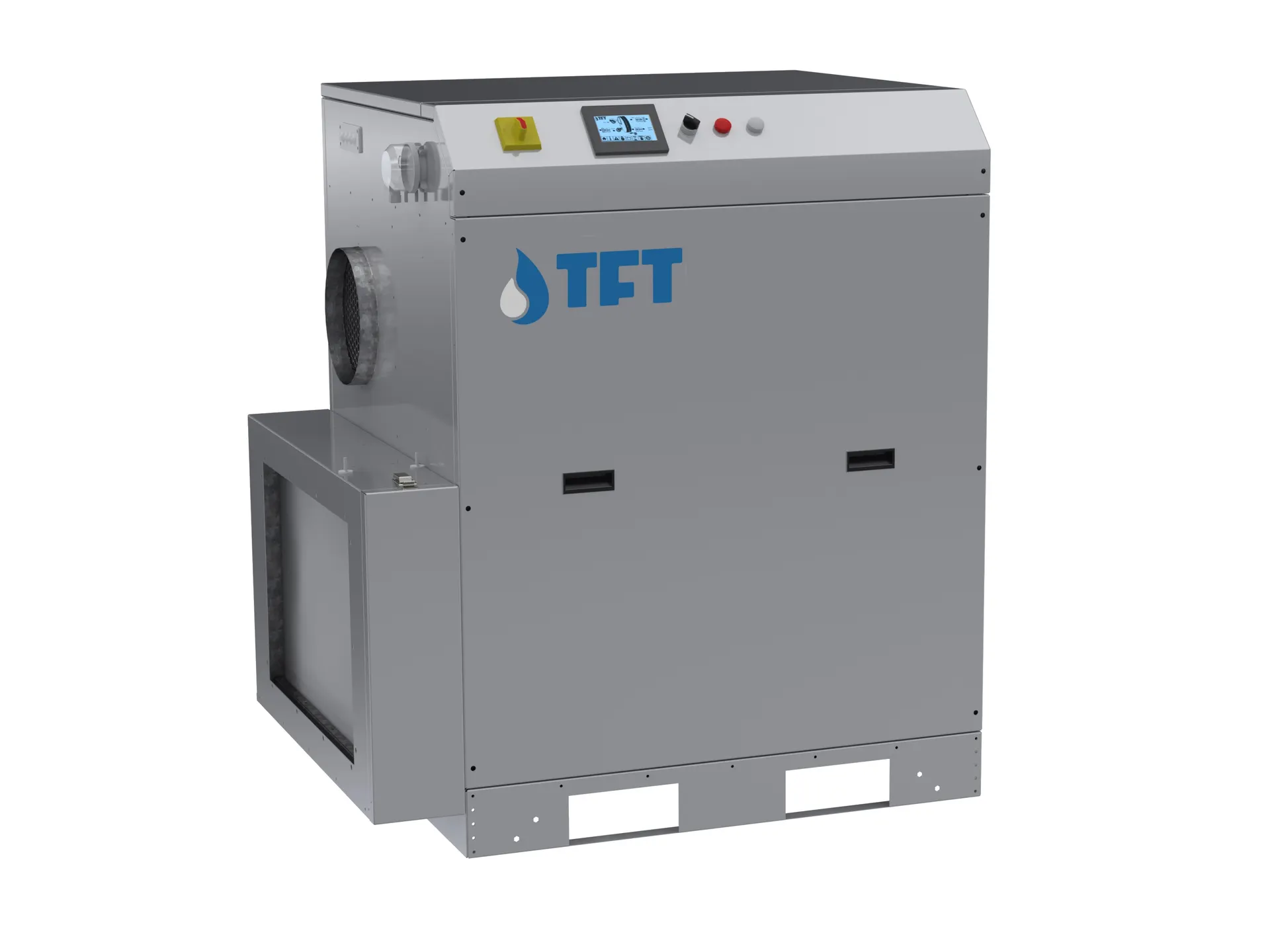
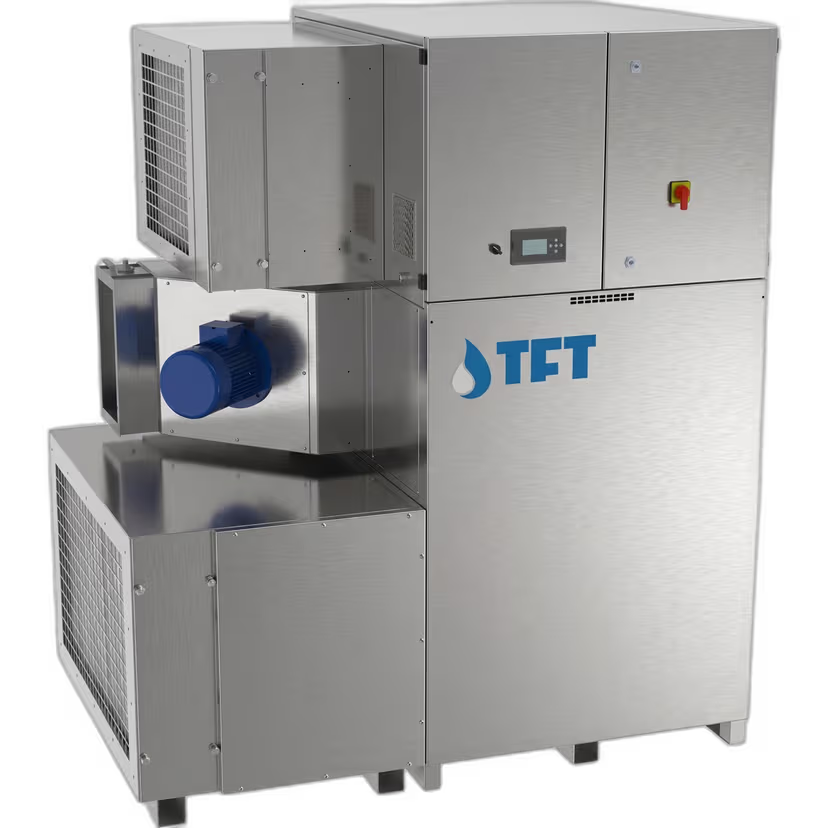
A transparent, flexible thermoplastic interlayer placed between two glass layers in laminated glass production. Used in automotive windshields, architectural facades, solar panels, and safety glass applications. PVB is hygroscopic; production requires 0.4–0.6% moisture content. Production room humidity (25–35% RH) is controlled by silica gel rotor dehumidifiers.
Detailed Explanation
PVB (Polyvinyl Butyral) was invented by Carl Steudel in 1927. It is obtained from the reaction of polyvinyl alcohol with butyraldehyde. Eastman, Kuraray, and Sekisui are leaders in the global market.
Properties: • Optical clarity (>95% light transmission) • High flexibility (holds glass pieces if shattered) • UV protection (significantly blocks UV) • Acoustic insulation • Hygroscopic (0.4–0.6% ideal moisture)
Production process: 1. PVB film stored in cold room (–15°C, 50% RH) 2. Used in production room at 25–35% RH after retrieval (max 4-hour exposure) 3. Two glass layers + PVB sandwich is assembled 4. Pre-bonding (vacuum + temperature before autoclave) 5. Autoclave (140°C, 12 bar, 90 min) → permanent bonding
Humidity control critical: • Above 35% RH PVB absorbs moisture → bubble + delamination risk • Below 20% RH electrostatic buildup → dust attraction + static contamination • 25–30% RH ideal (continuous control via TFT silica gel rotors)
Production defect economics: 1 m² laminated glass produced at 50% RH carries 35% delamination risk; below 1% at 30% RH. For 10,000 m²/year production, the waste difference: €120K+ in savings.
Engineering Note
Four important decisions in PVB production environment design:
1. Target RH band — 25–35% RH ± 3 (tight band); summer/winter-tunable humidity control via silica gel rotor.
2. Temperature 22°C ± 2 — operator comfort + PVB film dimensional stability together.
3. Multi-zone design — preparation, lamination, and vacuum chamber may have different RH requirements; independent PID loops and units.
4. Static electricity control — low RH = ESD risk; ionization fans + conductive flooring required.
At NKT we offer integrated solutions for glass lamination plants: TFT silica gel rotor (AD3000–AD7000 class) + continuous humidity monitoring + static electricity control; we have reference projects in the automotive + architectural + solar panel sectors.