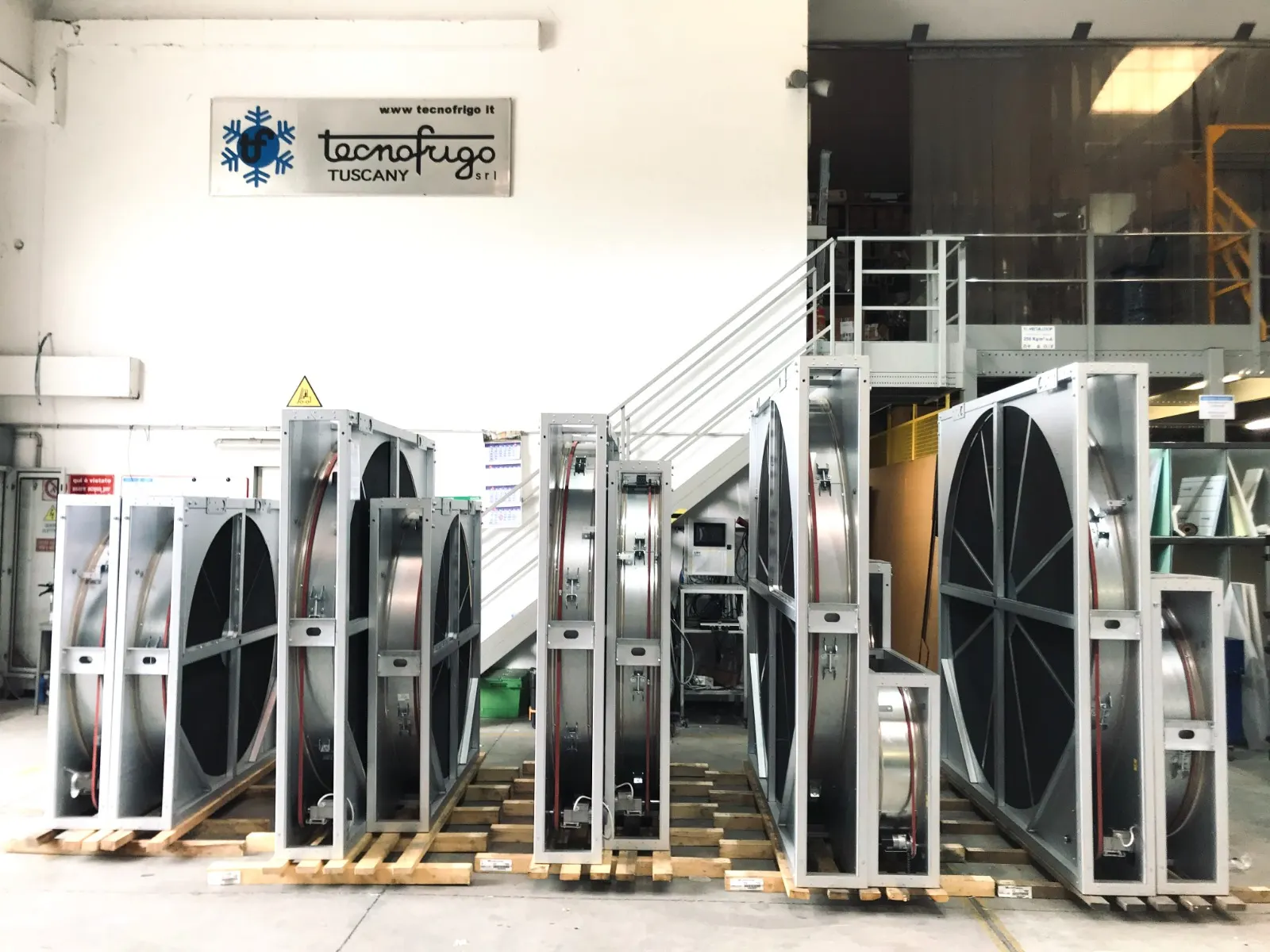
Definition
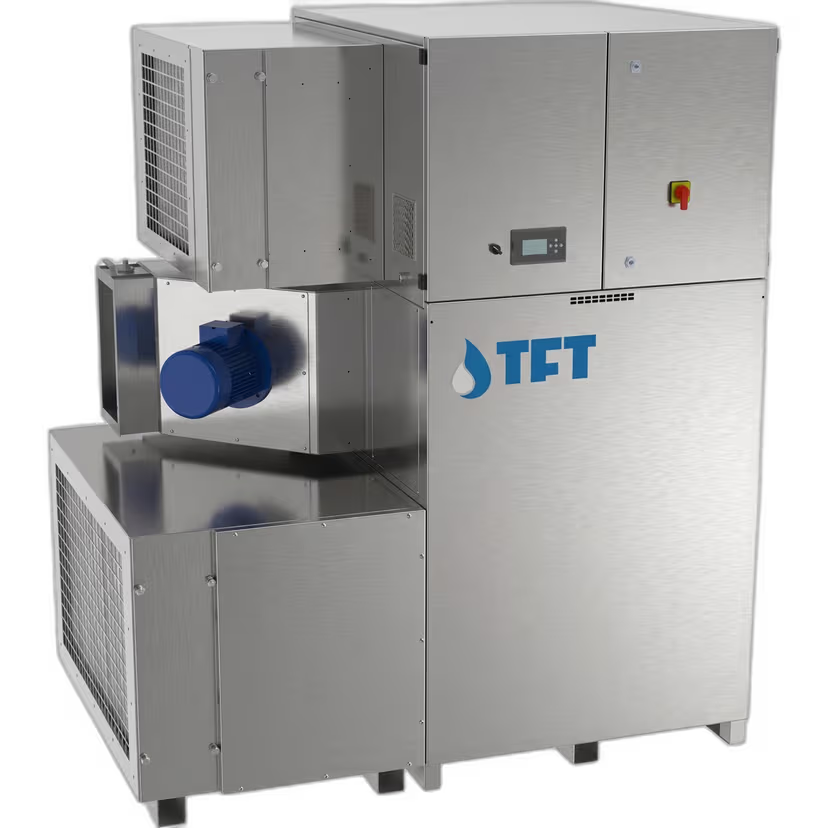
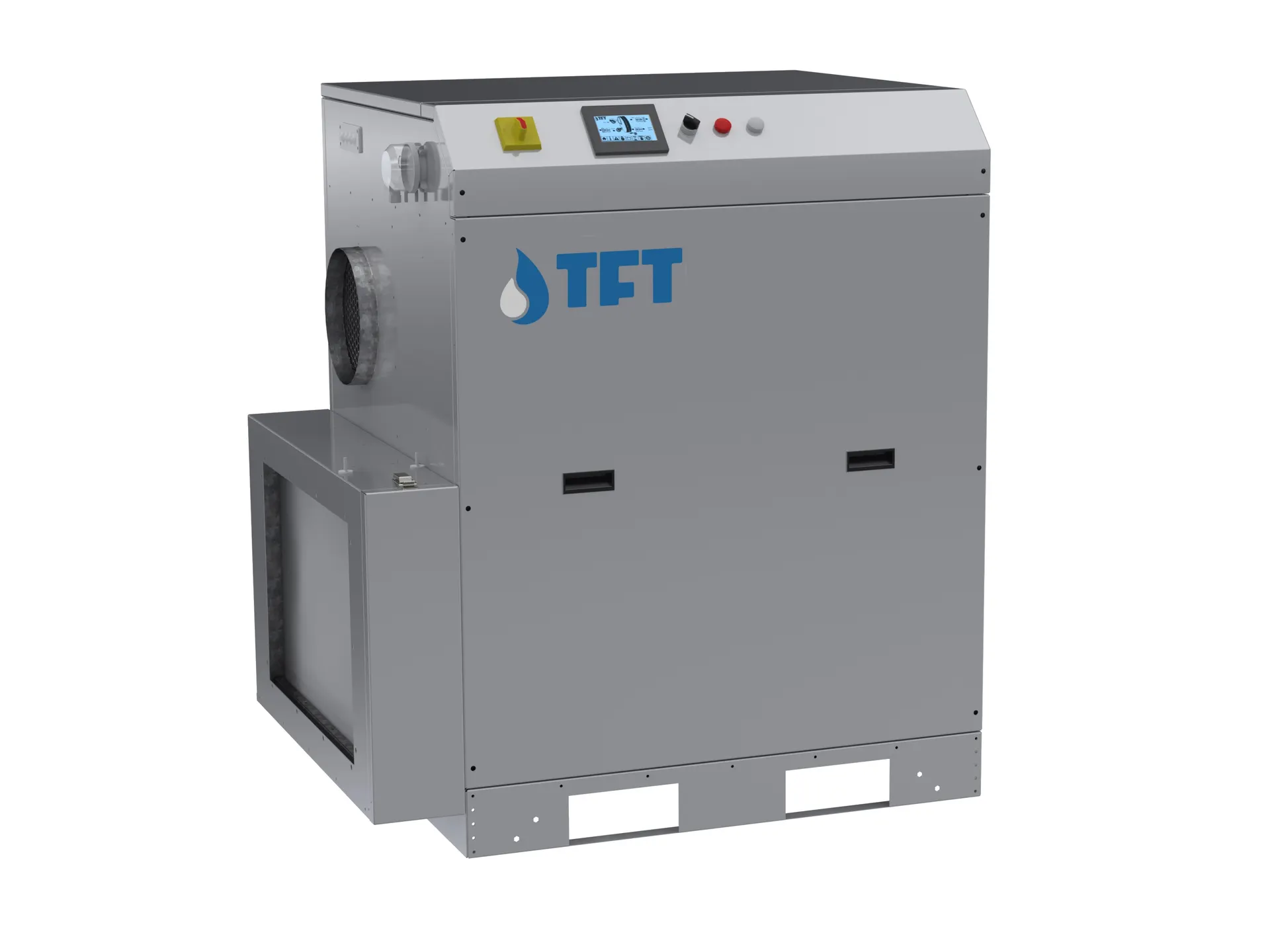
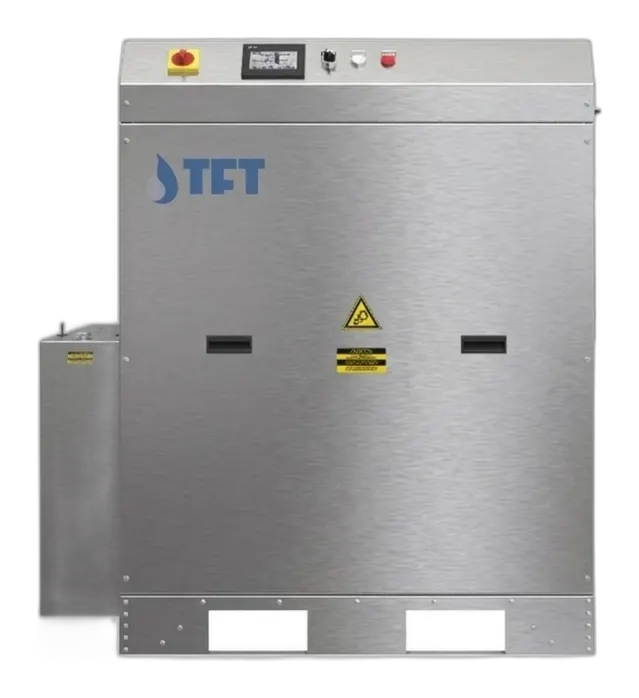
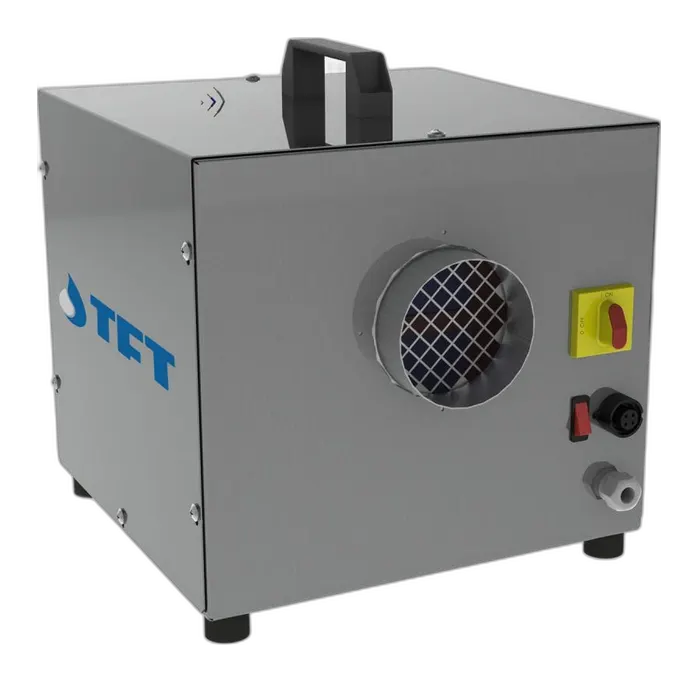
TFT is the trade abbreviation of Tecnofrigo Tuscany Srl, an industrial dehumidifier manufacturer headquartered in Tuscany, Italy (Montopoli Val D'Arno), producing adsorption (silica-gel-rotor desiccant), condensation, and evaporative units. NKT – Nem Kontrol Teknolojileri is TFT's authorised distributor in Türkiye; it supplies TFT units, supports unit selection, and provides technical service and spare parts.
Detailed Explanation
TFT — Tecnofrigo Tuscany Srl is an Italian industrial dehumidifier manufacturer headquartered in Montopoli Val D'Arno, Tuscany (Via J.F. Kennedy 25/27/29, Z.Ind. Fontanelle Capanne).
The product portfolio spans three main lines: (1) Adsorption (desiccant) dehumidifiers — silica-gel and molecular-sieve rotor systems delivering low-humidity performance down to -60°C dew point; (2) Condensation dehumidifiers — refrigerant-cycle based, for mid-humidity applications; (3) Portable evaporative cooling units.
The company delivers projects across automotive, chemicals, defense, electronics, food, oil & gas, pharmaceutical, power, construction, raw materials, recycling, and storage. CE marking is the baseline certification; the engineering philosophy emphasises "flexible solutions" and customer-specific customisation. TFT offers the AirDryCalc online calculation tool for technical support.
Why It Matters
In Turkish industry, low-dew-point applications — lithium battery dry rooms (−45 to −60°C dp), chocolate enrobed cooling tunnels (0–3°C dp), pharmaceutical granulation (−15 to 0°C dp), jelly conditioning (+8°C dp at 30% RH), kaşar drying and maturation (12–16 °C / 80–85% and 10–14 °C / 85–90% RH), and fluidized bed dryers — require technology that has no domestic equivalent.
TFT's Italian-built silica-gel rotor systems fill this gap: high-density rotor structures, AISI 304 stainless-steel housings, modular capacity (1,000 to 25,000+ m³/h), low rotor cross-leakage (below 0.5%), and long service life (8–15 years).
Practical Example
Representative example: for an enrobed chocolate line, a silica-gel rotor unit from the ADP 2000-14000 series is considered for the cooling-tunnel supply, and a compact ADS series unit for the buffer zone at the tunnel entry and exit. Because the target dew point is below +5 °C, a silica-gel rotor is required; since the rotor heats the air, an after-cooling coil is part of the system. Unit capacity is calculated from the tunnel airflow, fresh-air fraction and summer design outdoor air.
Engineering Note
The technical advantages of TFT silica-gel rotor systems are typically measured on three parameters: (1) Rotor cross-leakage — the carryover between process and regeneration air; well-designed rotor seals keep it below 0.5%, and TFT units typically achieve 0.3–0.5%. (2) Rotor depth × capacity match — 200 mm depth is standard, 400 mm depth (ADP series) covers low-dew-point applications. (3) Reactivation temperature — typically 100–140 °C; reactivation with natural gas or boiler steam typically lowers operating cost by 40–60% compared with electric.
Sizing is performed using ASHRAE 1% climate conditions plus a product-specific indoor design point; the AirDryCalc tool gives a first-pass estimate, and unit selection is finalised with the process and climate data provided by the facility.
NKT Application Link
For this application NKT – Nem Kontrol Teknolojileri supplies TFT, Neptronic and Microwell equipment. It supports unit selection with capacity calculation and technology matching based on space conditions, target temperature and RH (or dew point) and moisture load, and provides technical service and spare parts. Design, installation and commissioning remain within the scope of the facility's designer and contractor.
Related Academy Articles
- Lithium Battery Dry Room Design and Industrial Dehumidifier Solutions
- Dehumidification in Cooling Tunnels for Chocolate and Confectionery
- Jelly Conditioning Rooms: Humidity Control for Gummy Production
- Optimizing Fluidized Bed Dryers: The Role of Dehumidification
- Cheese Maturation Process and the Importance of Humidity Control